


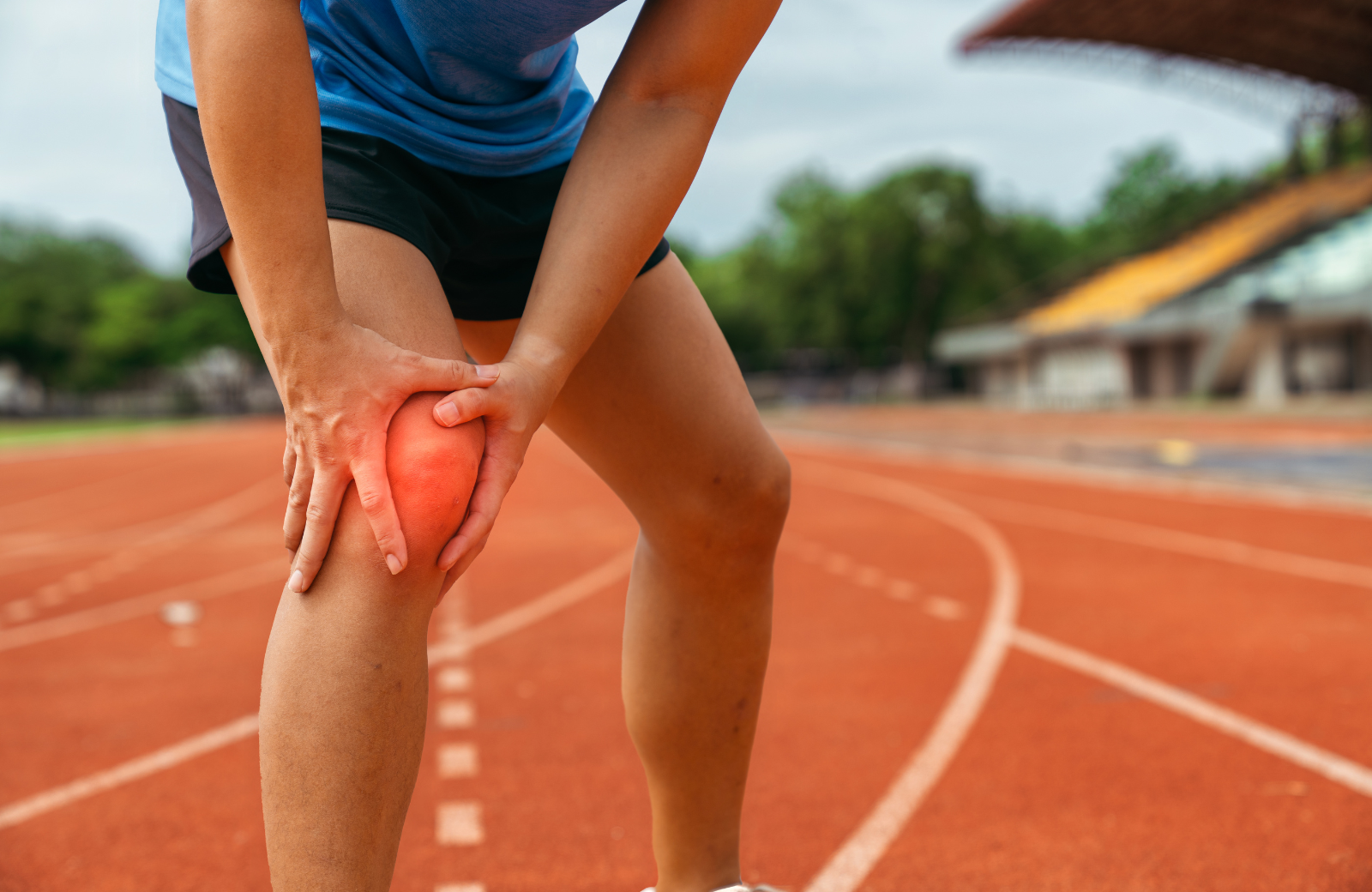
You feel a nagging pain behind your knee when walking, and it keeps showing up right when you want to stay active. Maybe it grabs your attention on the stairs, at the end of a run, or during warm-up for your favorite sport.
You stretch a little, shake it off, and hope it disappears, but it keeps coming back and slowly starts to change how you move. You cut runs short, avoid certain lifts, or play more cautiously, all because that spot behind your knee just does not feel right.
If you are an active adult or athlete, you cannot afford to ignore this kind of pain. It is often your body’s way of flagging a problem early, before it turns into something that sidelines you for weeks or months.
In this blog, you walk through what pain behind the knee really means, the most common causes in active people, and what you can do about it right now. You learn practical ways to manage it, smart options to keep training, and clear signs that it is time to get things checked so you can get back to moving confidently.
Understanding Pain Behind the Knee When Walking
When you feel pain behind the knee when walking, it can point to a few different issues. The exact spot, timing, and intensity of the pain help narrow down what is going on.
You might notice it:
- During warm-up, it eases as you keep moving
- Only after longer walks or runs
- When you walk downhill or downstairs
- When you push off to sprint or jump
Pain in this area often comes from irritated tissue around the hamstrings, calf, ligaments, or joint capsule. The key is to understand what is getting stressed and why your body reacts the way it does.
What Pain Behind The Knee Really Means
Pain at the back of the knee is different from that dull ache around the kneecap. It usually feels deeper, tighter, or more pinchy along the crease where your leg bends.
You might feel:
- A pulling or tight band when you straighten your leg
- A sharp twinge when you push off your toes
- A dull, nagging ache after long periods on your feet
- A sense of fullness or pressure in the back of the joint
For active adults and athletes, this pain often shows up during regular daily walking first. Then it starts to appear in runs, squats, or sport drills when the load on your knee increases.
Common Causes In Active Adults And Athletes
Your training habits play a huge role in the pain behind the knee. The tissues in that area handle a lot of load every time you walk, jog, or change direction.
Some frequent culprits include:
- Overuse from sudden jumps in mileage, pace, or time on your feet
- Repetitive hill running or stair workouts
- Intense plyometrics without enough recovery
- A heavy focus on quad work with less hamstring and calf strength
- Tight hips and ankles that force your knee to compensate
When your muscles cannot absorb force well, the joint and tendons pick up the slack. Over time, that extra strain can show up as pain each time you walk or push off.
Specific Conditions That Can Cause Pain Behind The Knee
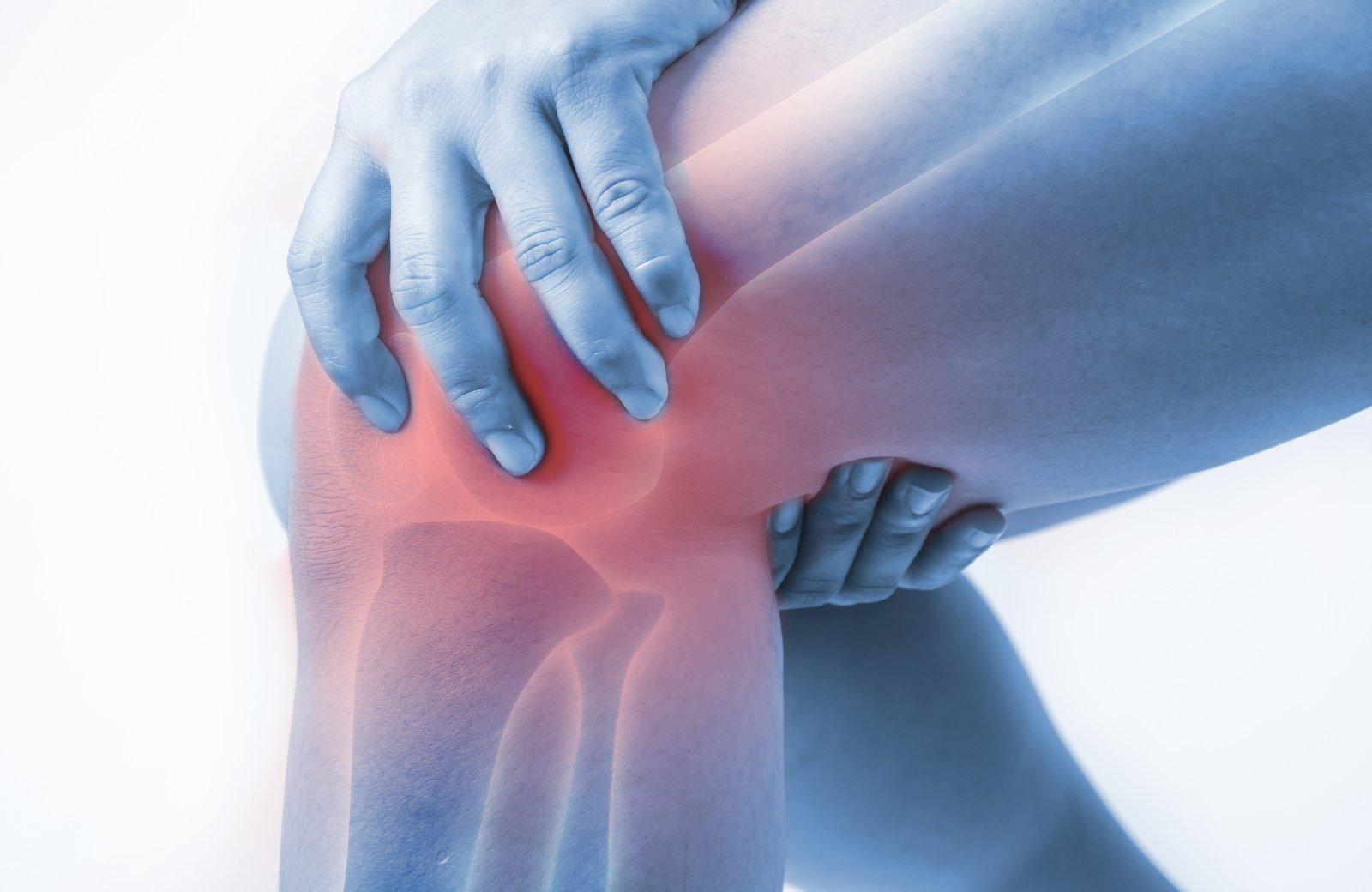
Not every ache behind the knee has the same cause. Different tissues can create very similar sensations, which is why the details matter.
Hamstring Tendinopathy Or Strain
The upper part of your hamstrings attaches near the back of your hip, and the lower part crosses behind the knee. If you sprint, lift, or play sports that demand quick acceleration, this area often works very hard.
You might feel:
- A deep ache or sharp pain when you bend or straighten the knee fully
- Discomfort when you walk fast, run, or climb stairs
- Tenderness if you press along the tendon at the back of the knee
Sometimes the tendon just gets irritated from too much load too quickly. Other times, a small strain in the muscle can also refer pain to the back of the knee.
Calf Strain Or Irritation
Your gastrocnemius muscle crosses both the ankle and the knee. It helps you push off the ground when you walk, run, or jump.
When it is irritated, you may notice:
- Pain behind the knee when you push off your toes
- Tightness that runs from the back of the knee into the upper calf
- Stiffness first thing in the morning or after sitting
This can happen if you suddenly increase hills, sprints, or jumping drills. It can also show up if your calves have not been trained to handle the forces you place on them.
Baker Cyst
A Baker cyst is a fluid-filled pocket that can form behind the knee. It usually shows up when the knee joint feels irritated for a while.
Signs can include:
- A feeling of fullness or pressure behind the knee
- Swelling that gets worse after activity
- Tightness when you try to fully bend or straighten the knee
A Baker cyst often links to another knee issue, such as arthritis or meniscus irritation. The cyst itself is not always dangerous, but it can feel very uncomfortable, especially when walking.
Meniscus Irritation Or Tear
The meniscus is a ring of cartilage that cushions the knee. Certain patterns of wear or injury can create pain that you feel toward the back of the joint.
You might notice:
- Pain or catching when you twist or pivot
- Discomfort with deep squats or kneeling
- Swelling or stiffness after games or long workouts
Some meniscus issues build gradually with repeated stress. Others happen in a single moment with a twist under load, like during a cut or awkward landing.
Posterior Cruciate Ligament Irritation
The posterior cruciate ligament, or PCL, runs inside the knee and helps keep your shin stable under your thigh. It can get irritated with falls, heavy impacts, or repeated stress.
Symptoms can include:
- Pain deep inside or at the back of the knee
- A sense of looseness or instability on uneven ground
- Trouble trusting your knee with quick changes in direction
PCL issues are less common than some other knee injuries, but active adults and athletes do experience them. Early care can help limit long-term instability.
Referred Pain From Hip Or Low Back
Sometimes the problem is not only in the knee. Irritation in nerves or joints higher up the chain can send pain signals to the back of the knee area.
If this happens, you may also feel:
- Tightness or ache in the back of the thigh or glutes
- Occasional tingling, numbness, or strange sensations
- Pain that changes with your spine or hip position
In these cases, treating only the knee rarely fixes the whole story. Addressing hip and back mechanics becomes an important part of lasting relief.
Red Flags You Should Not Ignore
Most aches behind the knee come from overload and irritation. Some signs, though, need quick medical attention and should not be ignored.
Seek urgent care if you notice:
- Sudden, severe pain with a clear pop or snap
- Rapid swelling that appears within a few hours
- Redness, warmth, and significant tenderness behind the knee
- Unusual shortness of breath, chest pain, or calf swelling that feels different from normal soreness
These signs can point to a more serious ligament injury, a large tear, or, in rare cases, a blood clot. Trust your instincts and get checked if something feels very wrong.
How Daily Habits Can Make Pain Worse
Many active people accidentally keep feeding the fire. You want to stay fit and keep your routine, so you push through discomfort and hope it fades.
Common patterns that aggravate pain include:
- Continuing to train at full intensity without modifications
- Skipping warm-ups and cool-downs when you feel rushed
- Neglecting strength work for hamstrings, calves, and hips
- Training only in straight-line patterns without variety
- Using worn-out shoes that no longer support your mechanics
Over time, these habits load the same tissues in the same way again and again. The back of the knee never gets a real break to calm down and rebuild.
Smart Self-Care Strategies You Can Start Now
You do not always need to stop all activity when your knee hurts. Often, you just need to be more strategic so your knee has room to settle down while you stay as active as possible.
You can think about three simple steps:
- Calm things down
- Restore mobility
- Build strength back up
This approach helps you respect the pain without giving up the activities that matter to you. It also gives you a clear framework rather than random trial and error.
Short-Term Relief And Activity Changes
First, you want to reduce irritation while still moving enough to keep joints and muscles healthy. Total rest for long periods often leads to more stiffness and weakness.
Helpful strategies include:
- Swapping high-impact runs for flat walks or cycling, if comfortable
- Avoiding deep knee bends, heavy squats, and lunges during a flare-up
- Using ice or cool packs for short periods after activity if it helps
- Propping your leg up when you rest to ease general swelling or heaviness
You can use your pain as a guide. If walking a short distance feels better afterward and does not spike your symptoms, it usually counts as safe movement.
Mobility Work For The Back Of The Knee

Tight muscles around the knee can pull on irritated tissue. Gentle, consistent mobility work often helps you move more freely and share the load across the whole leg.
You can focus on:
- Hamstring mobility
- Light seated or lying stretches that avoid sharp pulling at the tendon
- Short holds are repeated a few times a day instead of forcing long holds
- Calf mobility
- Standing calf stretches with the back knee straight for the upper calf
- Slightly bent knee stretches to target the deeper soleus muscle
- Quad and hip flexor stretches
- Half-kneeling hip flexor stretches to reduce stress across the front of the knee
- Gentle quad stretches if they feel comfortable and do not pull sharply at the back
Aim for smooth breathing and no bouncing. The goal is a light stretch, not a painful tug or burn.
Strength Exercises That Support Your Knee
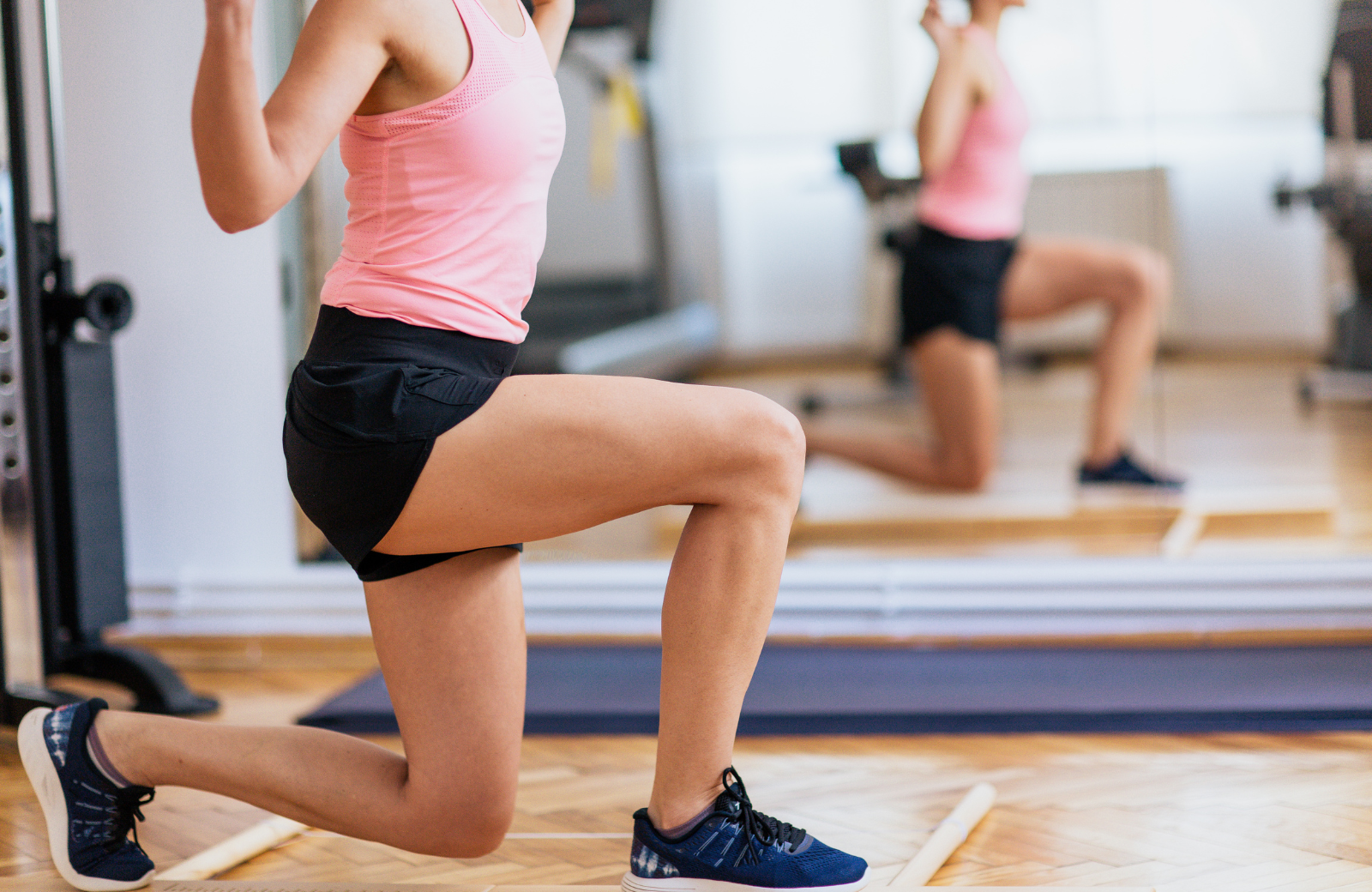
Strength gives your knee a buffer against the forces of walking, running, and sport. When you build balanced strength, your body shares the work more evenly.
You can start with:
- Glute and hip strength
- Glute bridges on the floor
- Clamshells with or without a light band
- Side steps with a band around your thighs
- Hamstring strength
- Hip hinge drills or light Romanian deadlifts
- Hamstring curls with a band or machine at a manageable load
- Slow, controlled movements that avoid sudden jerks
- Calf strength
- Double-leg calf raises on flat ground
- Progress to single-leg raises when pain allows
- Focus on a smooth push-up and slow lower down
Start with small sets and low to moderate effort. You want your knee to feel a bit worked, not flared up, after the session.
Movement And Technique Tweaks
Sometimes pain behind the knee hangs around because of the way you move. Tiny changes in form can make a big difference in how your knee feels.
For runners, helpful tweaks can include:
- Slightly increasing cadence so each step has a bit less impact
- Avoiding very long overstrides where your foot lands far in front of you
- Building up hills and speed work gradually instead of all at once
For lifters and gym goers, focus on:
- Keeping your knees aligned with your toes during squats and lunges
- Using your hips and glutes to drive movement, not just your quads
- Starting with smaller ranges of motion and lighter loads while the pain calms
A thoughtful warm-up also matters. Dynamic leg swings, light marching, and easy bodyweight squats can prepare muscles and joints more effectively than jumping right into hard work.
When Rest and Self-Care Are Not Enough
If you have made smart changes and your pain behind the knee when walking still sticks around, it may be time to look deeper. You should not feel stuck in a cycle of rest, return, and repeat.
Signs that you may need a more detailed assessment include:
- Pain that lasts longer than a couple of weeks, even with modified activity
- Repeated flare-ups every time you increase your walking or running distance
- Trouble trusting your knee with stairs, hills, or quick movements
- A feeling that your knee just never gets back to full confidence
A focused evaluation of your knee, hip, ankle, and movement patterns can help reveal what is driving the problem. Once you understand the root cause, it becomes easier to plan a clear path back to pain-free walking, training, and sport.
Getting Back To Confident, Pain-Free Movement
When you understand why you feel pain behind your knee when walking, you can finally stop guessing. You no longer have to rely on random stretches or rest and hope as your main strategy.
With a clear plan, you can:
- Protect the irritated tissue while still staying active
- Restore the strength, mobility, and control that your knee needs
- Return to walking, running, and sport with more confidence than before
Instead of feeling limited by your knee, you start to feel strong, capable, and in control of your body again. That is the goal every active adult and athlete deserves.
Why Getting Expert Guidance Matters
You can do a lot on your own, but you should not have to figure everything out by trial and error. Small details in how you walk, squat, or run can keep that pain hanging around.
With skilled eyes on your movement, it becomes easier to:
- Identify what is overworking and what is underperforming
- Connect your symptoms to specific patterns, not just a vague label of knee pain
- Build a step-by-step path that fits your sport, schedule, and goals
This kind of support helps you move from a mindset of hoping something works to a feeling of knowing exactly what to do next. That clarity takes a lot of stress off both your mind and your knee.
Staying Active While You Heal
You do not have to choose between your health and your identity as an active person. With the right approach, you can usually keep some level of training while your knee calms down.
A smart approach can include:
- Adjusted workouts that keep your fitness up without aggravating the sore spot
- Strength and mobility work that directly supports the back of the knee
- Clear benchmarks that show you when to safely progress your activity
In this way, you protect your knee and protect the work you have already put into your body. That balance is what keeps you moving forward instead of constantly starting over.
Next Steps If Pain Behind Your Knee Keeps Coming Back
If that familiar ache behind your knee shows up every time you push a little harder, your body is asking for a better plan. You do not have to wait until it gets bad enough to stop you completely.
You can:
- Pay attention to patterns instead of single bad days
- Use what you learned here to adjust your training and recovery
- Reach out for help if the pain keeps looping back despite your efforts
Taking action early often means less time off and fewer setbacks. It is about staying ahead of the problem, not chasing it after it grows.