


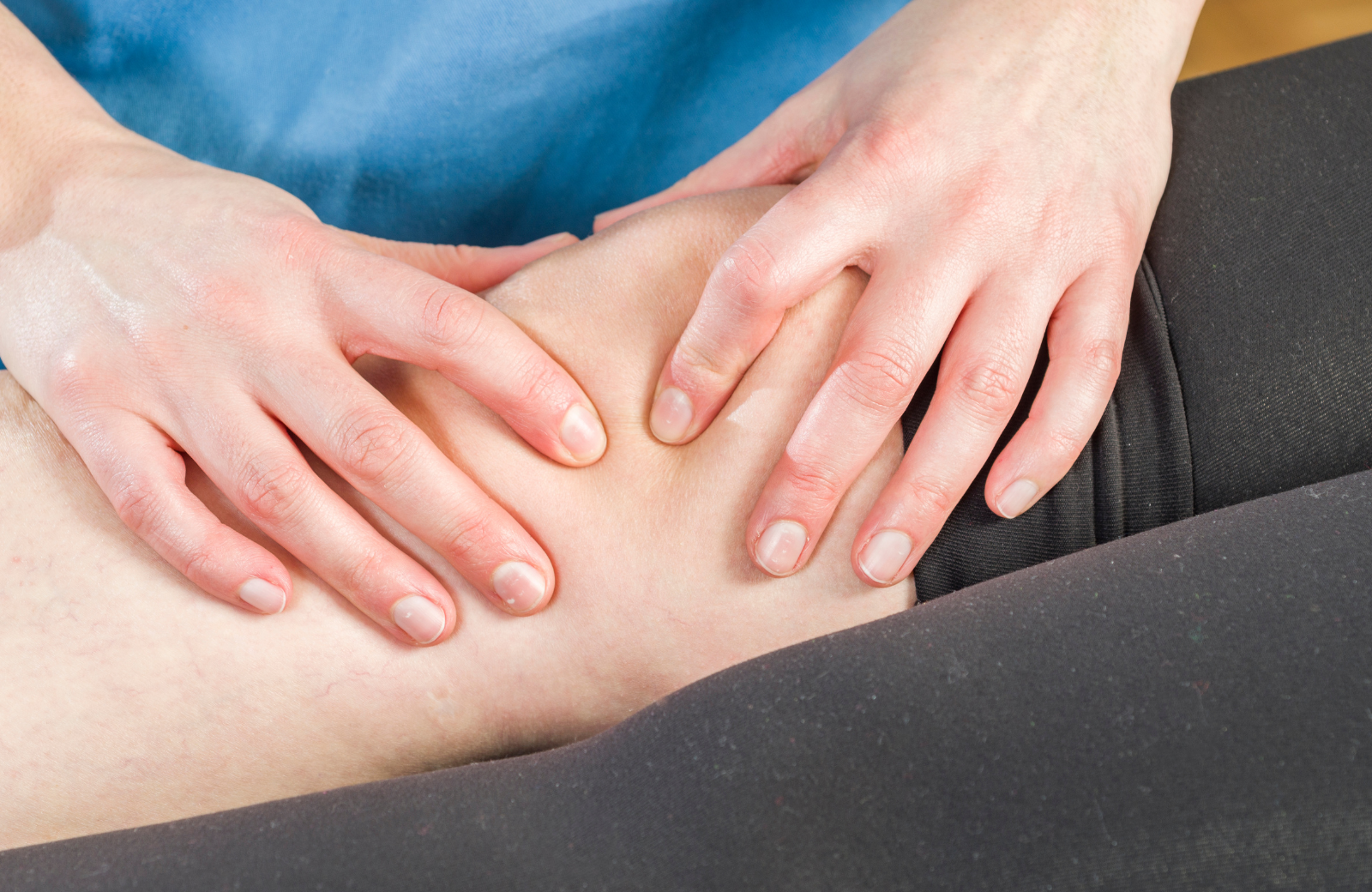
The best patellar tendonitis exercises are ones that load the tendon gradually: isometric holds to calm pain, slow heavy squats and leg presses to rebuild strength, then jumping and landing drills to restore spring. Complete rest rarely fixes jumper’s knee, and a smart loading plan usually keeps you training while the tendon heals.
If the spot just below your kneecap aches when you jump, squat, or take the stairs, you are not alone. Patellar tendonitis shows up in basketball, volleyball, running, CrossFit, and lifting, and it responds well to the right kind of work.
Here is what to do today while you read the rest.
- Swap your hardest jumping or sprinting session for a lower impact option this week.
- Try a wall sit or Spanish squat hold for 45 seconds, five times, and note your pain before and after.
- Rate your pain from 0 to 10 during and after activity, and keep it at 3 or below.
- Check how the knee feels the next morning, since that tells you more than pain during a workout.
- Book an evaluation if pain lasts longer than two to three weeks or keeps you off the stairs.
Below, we walk through what patellar tendonitis is, which exercises help at each stage, what to avoid, and how long recovery usually takes.
What Is Patellar Tendonitis and Why Does It Hurt?
Patellar tendonitis is irritation of the tendon that connects the bottom of your kneecap to your shinbone. It usually develops when the load on the tendon rises faster than the tendon can adapt.
Clinicians often call it patellar tendinopathy, because long term cases involve changes in tendon structure more than true inflammation. Either way, the solution centers on rebuilding load tolerance.
How the Patellar Tendon Works
Your quadriceps pull on the kneecap, and the patellar tendon transfers that force to your shin. Every jump, landing, squat, and stair climb runs through this small band of tissue.
Tendons act like springs. They store energy as you land and release it as you push off, which is exactly why jumpers and runners feel this injury first.
Common Causes of Jumper’s Knee
According to Cleveland Clinic, prolonged overuse and sudden changes in activity level are the primary causes of patellar tendonitis. In our clinic, the story usually sounds familiar.
- A jump in training volume, such as a new league, a new program, or a return after time off.
- More plyometrics, box jumps, or sprinting than your tendon is ready for.
- Deep, heavy squatting added quickly to a lifting block.
- Weak or tired quads, hips, or calves that shift extra work onto the knee.
- Hard training surfaces and little recovery between sessions.
Symptoms to Watch For
The classic sign is pain right at the bottom tip of the kneecap. It often warms up and fades during activity, then returns stronger afterward or the next morning.
- Tenderness when you press just below the kneecap.
- Pain with jumping, landing, squatting, or kneeling.
- Aching on stairs, especially going down.
- Stiffness after sitting for a long time with the knee bent.
Can You Exercise With Patellar Tendonitis?
Yes, and in most cases you should. Tendons respond to load, so the goal is the right amount of load rather than none at all.
Cleveland Clinic suggests a gradual return in which you restart at about 50 percent of your normal training and increase by roughly 10 percent each week if things go well. That lines up with how we build plans for our athletes.
The Pain Monitoring Rule
We use a simple guide. Pain up to 3 out of 10 during exercise is acceptable, as long as it settles within 24 hours and is not worse the next morning.
If the knee feels worse the following day, the load was too much. Dial it back one step and try again in a day or two.
When to Modify Your Training
If stairs hurt or your knee aches while walking around, reduce jumping and sprinting for a while. You can usually keep lifting upper body, cycling easily, swimming, and doing controlled lower body strength work.
This is the core of how we work at TruStrength. We keep you moving and training while the tendon catches up.
What Are the Best Patellar Tendonitis Exercises?
The best patellar tendonitis exercises follow a staged progression. You start with holds that reduce pain, move to slow strength work, then add speed and spring.
Research supports this approach. A 2021 randomized trial in the British Journal of Sports Medicine compared progressive tendon loading exercises with traditional eccentric training in 76 people with patellar tendinopathy. After 24 weeks, 43 percent of the progressive loading group had returned to sport, compared with 27 percent of the eccentric group.
Stage One: Isometric Holds for Pain Relief
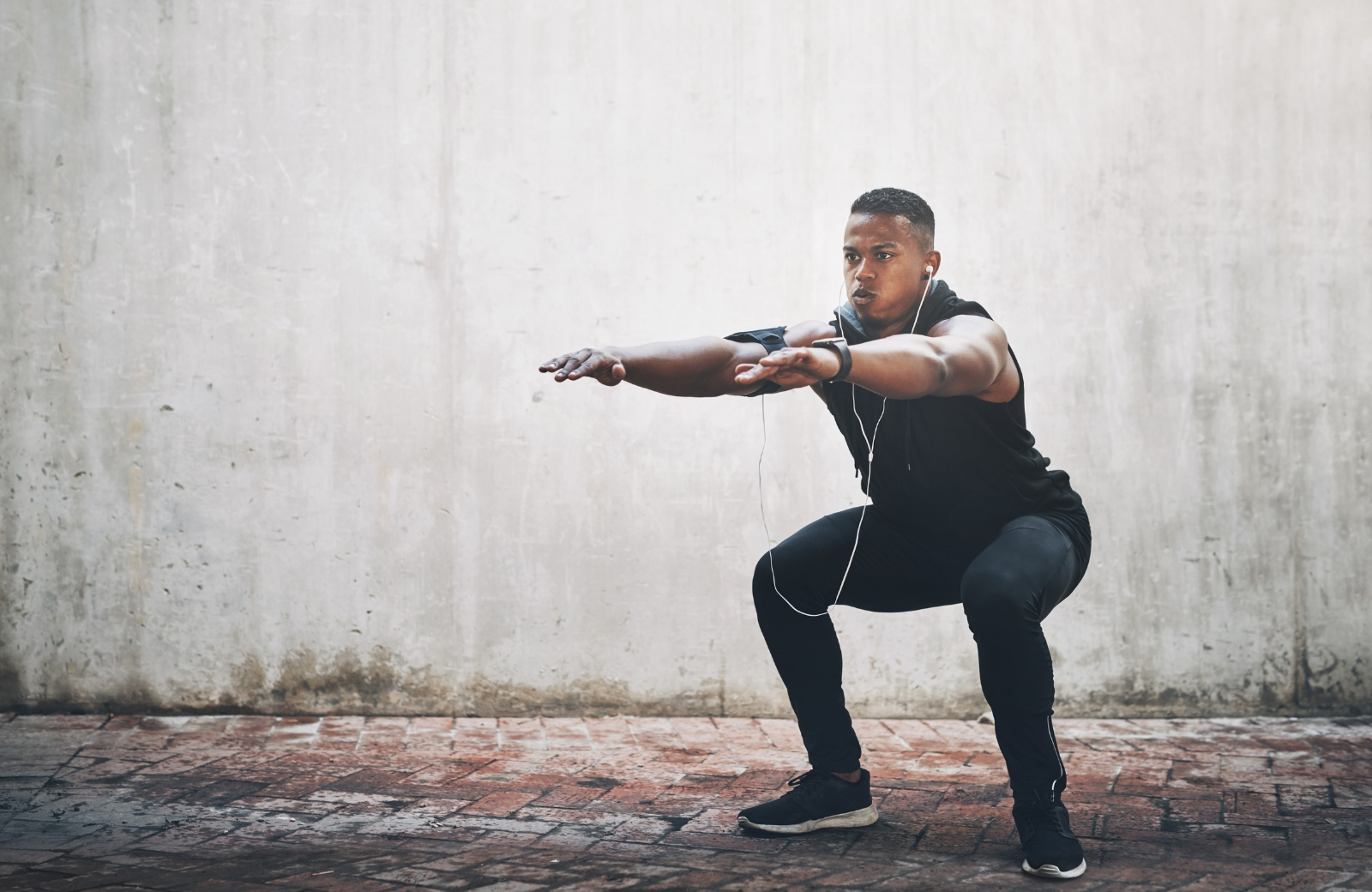
Isometrics are muscle contractions without movement. They often reduce tendon pain for a while and give you a safe starting point.
- Wall sit: slide down a wall to a comfortable depth and hold for 30 to 45 seconds.
- Spanish squat: loop a strong band behind your knees, anchor it, and sit back into a squat hold.
- Seated knee extension hold: hold a moderate weight with your knee slightly bent for 30 to 45 seconds.
Aim for four to five holds, once or twice a day. The effort should feel moderately hard, and the pain should stay at 3 or below.
Stage Two: Slow, Heavy Strength Work
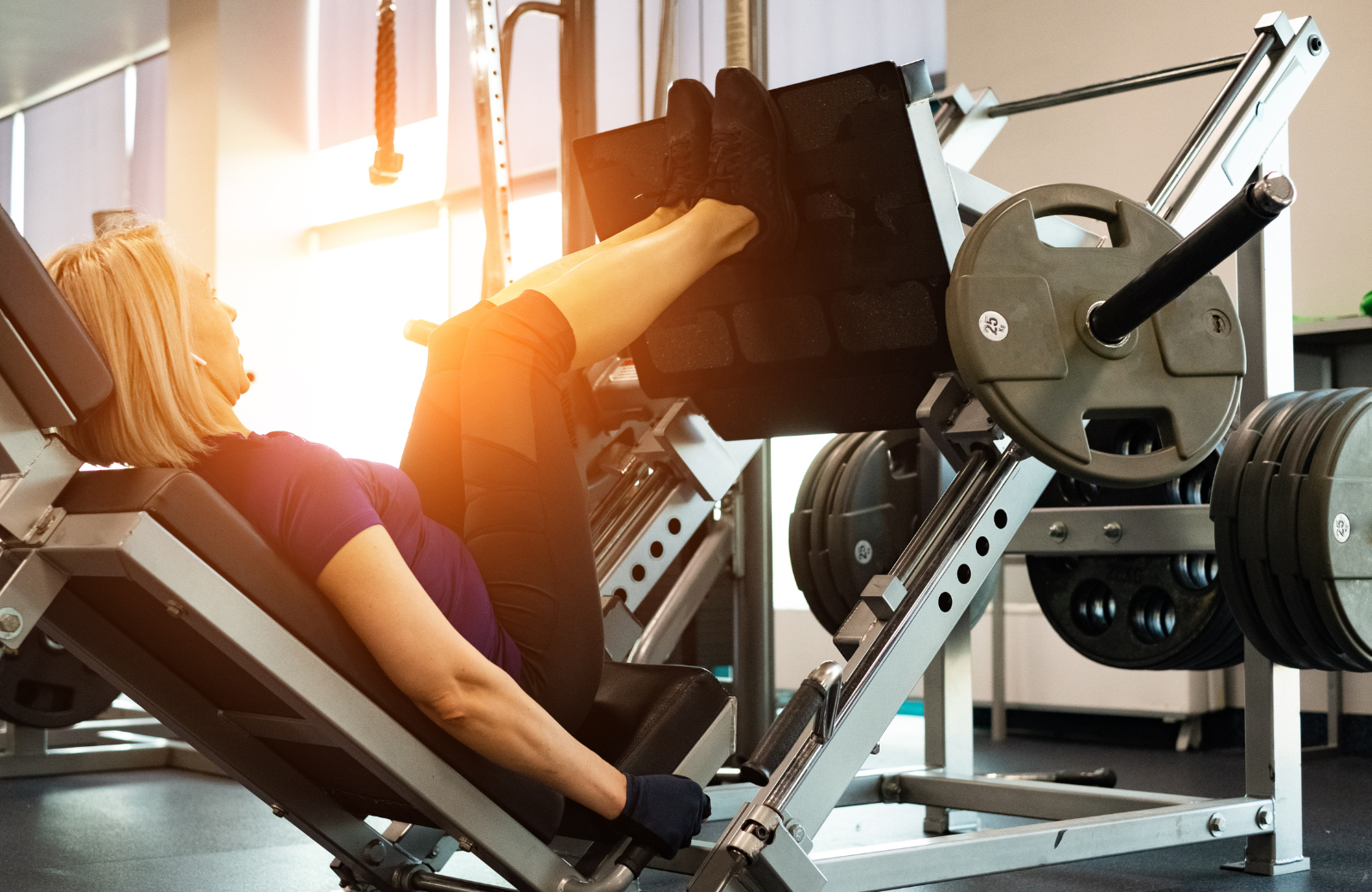
Once the tendon settles, you build capacity with slow reps under heavier load. Take about three seconds down and three seconds up.
- Leg press, working toward three to four sets of 6 to 8 reps.
- Goblet squat or split squat to a depth that stays within your pain limit.
- Seated knee extension with slow tempo.
- Step ups onto a box, controlling the lowering phase.
Train these three times a week with a rest day between. Add weight gradually as the knee tolerates it.
Stage Three: Energy Storage and Faster Loading
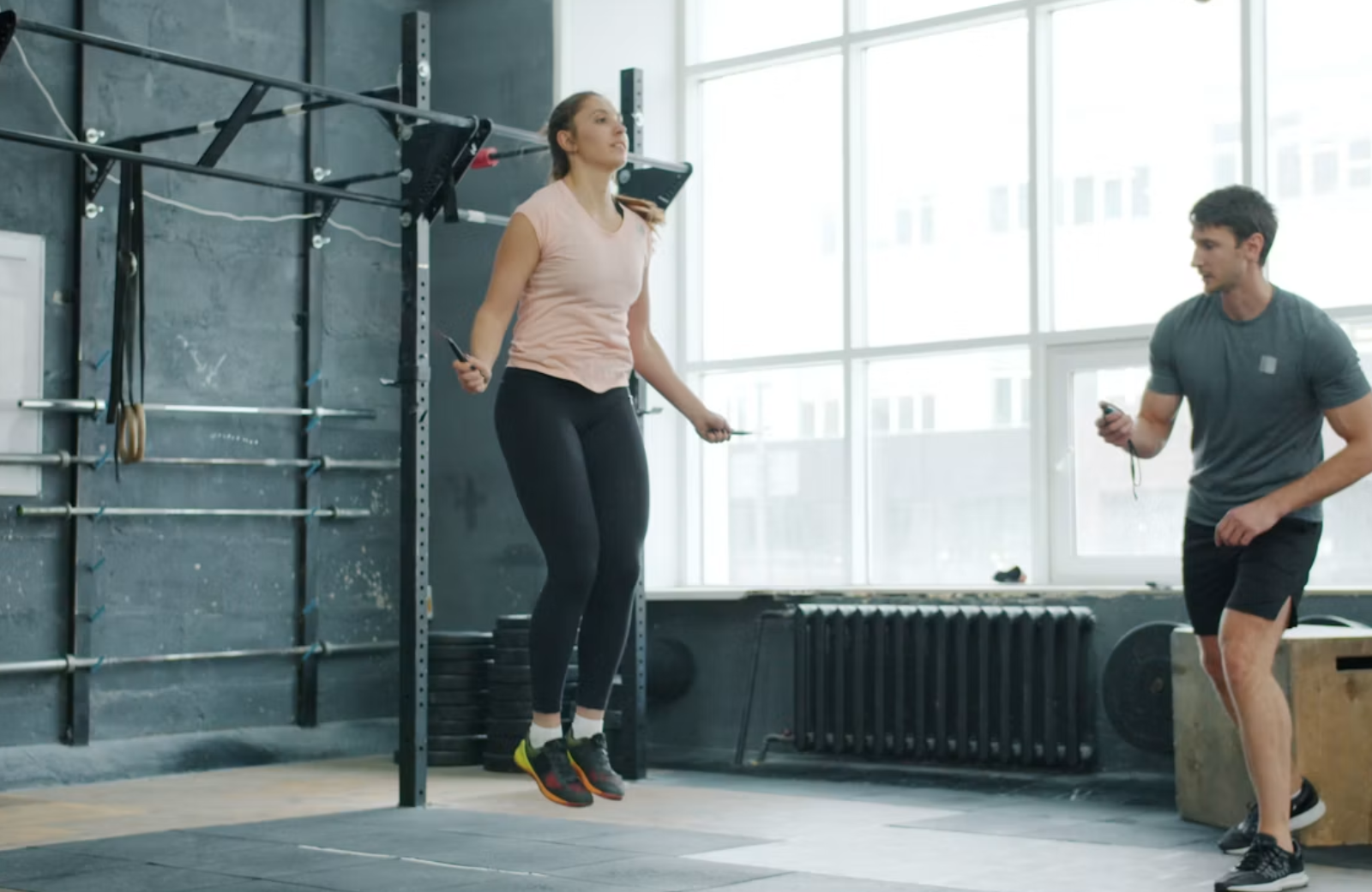
When you can handle heavy strength work without a flare, you begin teaching the tendon to act like a spring again. This stage bridges strength work and your sport.
- Pogo hops in place, starting with small, quick bounces.
- Low box jumps with soft, quiet landings.
- Skipping and bounding over short distances.
- Drop landings from a low step, holding the landing position.
Start with low volume, around 20 to 40 foot contacts per session, two to three times a week. Increase slowly and keep watching the next morning response.
Stage Four: Sport Specific Return
The last stage reintroduces the exact demands of your sport. For a volleyball player that means approach jumps, and for a runner it means hills and speed work.
We map this stage to your schedule, so you rejoin practice gradually instead of all at once.
How Do the Stages Compare?
This table shows how the stages build on each other. Every knee moves at its own pace, so treat the time frames as general ranges.
| Stage | Main Goal | Example Exercises | Typical Time Frame | Move On When |
|---|---|---|---|---|
| 1. Isometric holds | Calm pain | Wall sit, Spanish squat | 1 to 2 weeks | Holds feel easy and stairs improve |
| 2. Heavy slow strength | Build capacity | Leg press, split squat, step ups | 4 to 8 weeks | Heavy sets cause no next day flare |
| 3. Energy storage | Restore spring | Pogo hops, low box jumps | 2 to 6 weeks | Jumps feel easy and pain stays at 3 or less |
| 4. Sport return | Handle full demands | Sport drills, full practice | 2 to 6 weeks | Full training with no flare |
Which Stretches Help Patellar Tendonitis?
Stretches do not heal the tendon on their own, but they can reduce strain around the knee. Tight quads, hamstrings, hip flexors, and calves all change how force reaches the tendon.
- Quad stretch: pull your heel toward your glute and hold for 30 seconds.
- Kneeling hip flexor stretch: kneel on one knee and shift your hips forward gently.
- Hamstring stretch: rest your heel on a low step and hinge forward from the hips.
- Calf stretch: lean into a wall with the back leg straight.
Treat these as supporting work. The strength progression above does most of the heavy lifting.
What Exercises Should You Avoid With Patellar Tendonitis?
You do not need to avoid any exercise forever. You just need to avoid the ones that overload the tendon before it is ready.
Movements to Pause Early On
- High volume jumping, box jumps, and depth jumps.
- Sprinting and hard changes of direction.
- Deep, fast squats with heavy loads.
- Lunges that drive your knee far past your toes under load.
- Long downhill runs.
These return as you move through the stages. Pausing them is about timing, not about fear of movement.
Why Rest Alone Falls Short
Rest may quiet the pain, yet the tendon also loses capacity while you sit out. When you return, it often flares again because nothing changed.
That cycle is why so many athletes feel stuck with jumper’s knee for months. Progressive loading breaks it.
How Long Does Patellar Tendonitis Take to Heal?
Mild cases often improve in six to eight weeks with consistent loading. Long standing cases can take three to six months or more.
Tendons adapt slowly because they have a limited blood supply. Consistency beats intensity every time.
What Speeds Up Recovery
- Doing your loading program three times a week without skipping.
- Managing total jumping and sprinting volume across practice and games.
- Sleeping well and eating enough protein to support tissue repair.
- Addressing hip and ankle strength so the knee is not doing all the work.
What Slows It Down
- Stopping and starting the program whenever pain changes.
- Jumping straight back into full training once pain fades.
- Relying on passive treatments alone without strength work.
When Should You See a Physical Therapist for Knee Pain?
See a physical therapist if pain lasts more than two to three weeks, affects daily activities, or keeps returning each time you ramp up. An evaluation confirms the diagnosis and rules out other causes of front of knee pain.
Patellar tendonitis can look like patellofemoral pain, fat pad irritation, or a partial tendon tear. Each one needs a different plan, which is why our knee pain physical therapy starts with a thorough assessment.
Red Flags That Need Prompt Care
- Sudden sharp pain with a pop during a jump or landing.
- Difficulty straightening your knee or lifting your leg.
- Significant swelling, warmth, or bruising.
- Pain that wakes you at night.
How Do Patellar Tendonitis Exercises Differ for Runners, Jumpers, and Lifters?
The stages stay the same, but the finish line changes with your sport. Your final exercises should look a lot like the work your knee needs to handle.
Court and Field Athletes
Basketball and volleyball players need the most jumping capacity, so stage three gets extra time. We build up to approach jumps, repeated landings, and quick direction changes before full practice.
Runners
Runners need endurance in the tendon more than big jumps. Hill running, faster intervals, and downhill running return in small steps once strength work feels easy.
Lifters and CrossFit Athletes
Lifters often flare the tendon with deep, heavy squats or high rep box jumps. We adjust squat depth, stance, and tempo first, then rebuild volume so you can keep training through most of your rehab.
For many lifters, a short block of heavy leg press and slow squats becomes the treatment itself. That is why we rarely ask lifters to stop training entirely.
Frequently Asked Questions
Is Walking Good for Patellar Tendonitis?
Walking is usually fine and often helpful because it keeps blood moving without heavy tendon load. If walking itself hurts, shorten the distance for a week and focus on isometric holds. Pain during normal walking is also a good reason to get an evaluation.
Should You Ice or Heat Patellar Tendonitis?
Ice can ease pain after activity, while heat can help the knee feel less stiff before training. Neither one heals the tendon. Use them for comfort and keep the loading program as your main treatment.
Do Knee Straps Help Jumper’s Knee?
A patellar strap can reduce pain for some athletes by changing how force passes through the tendon. It works best as a short term tool while you rebuild strength. Think of it as support, not a fix.
Can You Squat With Patellar Tendonitis?
Yes, most people can squat with adjustments to depth, load, and speed. Slow tempo squats to a comfortable depth are often part of the rehab plan. Keep pain at 3 out of 10 or below and check the next morning response.
Is Patellar Tendonitis the Same as Runner’s Knee?
No. Patellar tendonitis hurts at the bottom tip of the kneecap, while runner’s knee usually aches around or behind the kneecap. The two need different exercise plans, so an accurate diagnosis matters.
Can Patellar Tendonitis Come Back?
It can return if training load spikes again or strength work stops completely. A short maintenance routine of heavy leg work twice a week helps protect the tendon. Smart planning around busy seasons helps too.
How We Help Denver Athletes Beat Jumper’s Knee
At TruStrength Performance and Rehab, we treat patellar tendonitis as a training problem with a training solution. Our goal is to keep you active while the tendon rebuilds.
A Plan Built Around Your Sport
Our Doctors of Physical Therapy assess how you jump, land, squat, and run. Then we build a loading plan that fits your season, your schedule, and your goals.
A volleyball player, a marathoner, and a weightlifter each get a different path. No two knees get the same plan.
Hands On Care Plus Smart Loading
We may use manual therapy, dry needling, or other tools to ease pain and help you move better. Those tools support the main work, which is progressive strength and return to sport training.
We also look above and below the knee. Hip strength, ankle mobility, and landing mechanics often explain why the tendon got overloaded in the first place.
Keep Training While You Heal
You do not have to shut everything down to get better. We help you modify training so you stay fit, confident, and ready to return.
That approach is at the heart of our knee pain care in Denver and Centennial.
Take the Next Step
If the front of your knee keeps flaring when you jump, run, or lift, let’s build a plan that gets you back to full speed. Call us at (720) 983-3665 or request an appointment to talk through your goals.